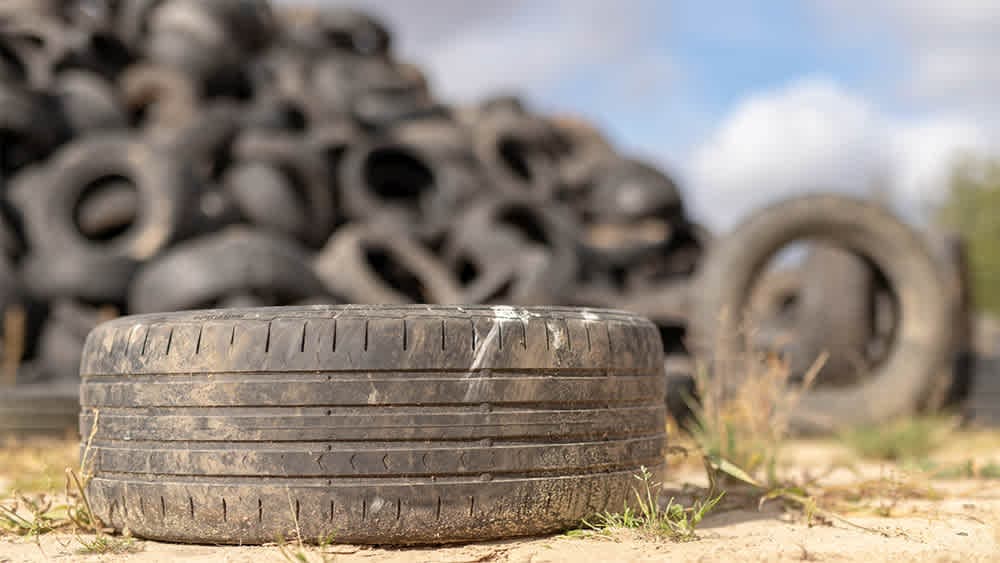
Quick Facts: The Tire Waste Challenge
- Annual U.S. Waste: ~280 million tires (5.6 million tons).
- Composition: Synthetic rubber, steel, fabric (polyester/nylon).
- Landfill Issue: Tires are 75% void space, leading to methane entrapment and structural instability.
- Health Risk: Improperly stored tires are breeding grounds for mosquitoes and pose severe long-term fire hazards.
1. The Tire Recycling Process
Modern facilities use two primary mechanical methods to separate rubber from steel and fiber.
Mechanical Grinding Methods
- Ambient Grinding: Tires are shredded at room temperature using powerful rotating blades to create "crumb rubber."
- Cryogenic Processing: Tires are frozen with liquid nitrogen, making the rubber brittle. They are then shattered into extremely fine, uniform particles.
- Initial Shredding: Tires are reduced to 2-inch "chips."
- Magnetic Separation: High-powered magnets extract steel belts, which are sent to smelters for reuse in new steel products.
- Fiber Separation: Centrifugal separators remove polyester and nylon cords.
- Cleaning: The remaining rubber is screened for purity before being sold as raw material.
2. Top Products Made from Recycled Tires
Recycled rubber is a high-performance raw material used across three major industrial sectors:
1. Infrastructure & Construction
- Rubber-Modified Asphalt: Reduces road noise and increases pavement durability against temperature cracking.
- Tire-Derived Aggregate (TDA): Used for lightweight backfill in embankments and drainage layers.
2. Consumer & Recreational Goods
- Playground Surfacing: Impact-absorbing rubber tiles or poured-in-place mulch.
- Athletic Tracks: Provide consistent "spring" and durability for high-traffic sports surfaces.
- Agricultural Mats: Heavy-duty livestock mats that improve animal comfort and hygiene.
3. Tire-Derived Fuel (TDF)
- Energy Recovery: Scrap tires have a higher heating value than coal. TDF is used in cement kilns, paper mills, and industrial boilers as a cleaner-burning energy source with lower emissions than traditional fossil fuels.
To see a deeper breakdown of these innovations, you can explore our full list of recycled tire products.
3. Benefits of Tire Recycling
Beyond waste management, the conversion of scrap tires into raw materials provides a measurable boost to both ecological health and the local economy. By diverting millions of tons of rubber from landfills, the recycling industry creates a "circular economy" that impacts several key areas:
1. Environmental Impact:
- Key Benefit: Significant waste reduction.
- Impact: Prevents methane gas buildup in landfills and eliminates the risk of soil and water contamination caused by toxic tire fires.
2. Economic Impact:
- Key Benefit: Sustainable job creation.
- Impact: Fosters local employment across multiple sectors, including collection, specialized processing, and end-product manufacturing.
3. Public Health Impact:
- Key Benefit: Pest and disease control.
- Impact: Eliminates stagnant water reservoirs in illegal stockpiles, which serve as primary breeding grounds for mosquitoes and rodents.
4. Resource Impact:
- Key Benefit: Support for the circular economy.
- Impact: Reduces global demand for virgin petroleum-based synthetic rubber and harvested steel by repurposing existing materials.
4. Consumer Guide: Where and How to Recycle
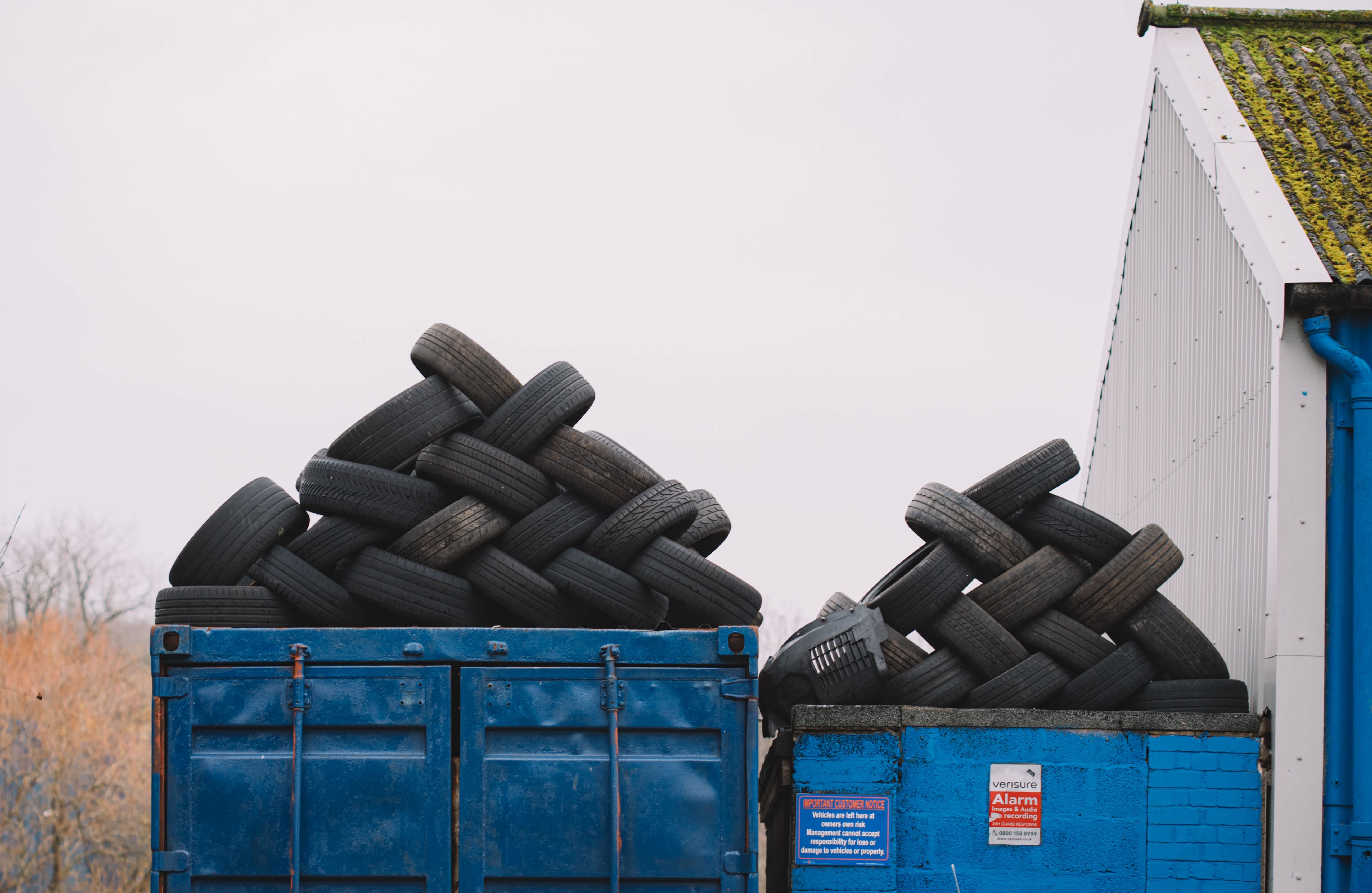
Finding a local recycling center is the final step in responsible tire ownership. Most drivers can choose between retail convenience or cost-effective municipal programs.
Local Disposal Avenues
- Tire Retailers & Service Centers: This is the most common and convenient option. When you buy a new set, installers typically handle the recycling of your old ones. Many shops will even accept tires you didn't buy from them, though they will usually charge a small "disposal fee" (often $2 to $5 per tire).
- Municipal Recycling Programs: Many cities and counties operate permanent drop-off locations or host special "Amnesty Days" where residents can recycle tires for free or at a significant discount.
- Specialized Recycling Centers: In larger metropolitan areas, you can find facilities that exclusively process rubber waste. These centers are often the best choice for bulk recycling or for tires from non-standard vehicles, such as farm equipment or trailers.
- Junk Removal Services: For those with a large number of tires or no way to transport them, professional junk removal companies will come to your home to haul them away for a fee.
Key Preparation Checklist
- Remove the Rims: Most recyclers will only accept "rubber-only" tires. If the rim is still attached, you may be turned away or charged a much higher fee, as rim removal requires specialized machinery.
- Verify the Limit: Municipal sites often limit residents to 4–8 tires per visit to prevent businesses from using residential services.
- Check for DOT Age: If your tires look good but are over 10 years old, they are no longer safe for the road. Mark them clearly so they aren't accidentally "resold" as used tires by less reputable collectors.
- Search Digital Directories: Use sites like Earth911 or your state's Department of Environmental Protection (DEP) website to find certified haulers and current local fees.
Summary and Next Steps
Responsible tire disposal is a critical final step in vehicle ownership. By utilizing certified recycling centers, you contribute to a circular economy that turns waste into infrastructure.