Compare
Free shipping
Best price guarantee
SimpleCrew exclusive savings
0% APR Financing
Tire replacement coverage
24/7 roadside assistance
Easy returns

Yokohama is a Japanese tire manufacturer that has been making tires for over a century. Its range of tires features advanced engineering and durable materials to deliver dependable performance. Yokohama tires are known for their balanced ride control, quieter rides, and reliable traction. The tires meant for pickup trucks and SUVs come with heavy-duty towing ability.
Nokian, on the other hand, has its headquarters based in Finland. Since 1898, the tire manufacturer has been active in offering a range of tires that deliver superior performance in dedicated winter conditions. The tire manufacturer is a pioneer of winter tires and advanced extreme-weather safety technologies, and it has adapted to offer reliable tires for everyday driving needs and durability seekers. Nokian’s all-season lines are highly admired by drivers in the US as they offer reliable traction, high fuel efficiency, and solid structural endurance.
When it comes to choosing the right set of highway-compatible tires for use on light trucks and SUVs, the two names that do not disappoint are the Yokohama Geolandar H/T4 and the Nokian One H/T. Both tires are tuned for solid year-round service and come with much-needed durability, absorb noise and vibration well, and offer extended service. The Geolandar H/T4 is among the top tried and tested highway-terrain tires and offers a smooth, quiet ride and great payload strength.
On the other hand, the One H/T stands as a dependable choice for those who want a solid all-season tire with increased damage resistance, superior pothole defence, and consistent traction on streets and highways.
If you need a reliable set of highway-terrain all-season tires, check out this Geolandar H/T4 vs One H/T tires comparison, which will be a great source of knowledge to help you choose a better tire aligning with your driving needs, preferences, and budget. Here, we will use our in-house tire rating system, SimpleScore, to understand each tire’s overall ability and its capacities in areas like traction, handling, and longevity.
Last updated 6/05/2026 - Originally published 6/05/2026
Written by SimpleTire, Expertly reviewed by Brett Antosh
Yokohama Geolandar H/T4 tires
The Yokohama Geolandar H/T4 comes as a durable choice for highway utility and is compatible with most CUVs, SUVs, and light trucks on the market. It is optimized for solid strength and toughness to withstand heat and friction during heavy hauling, and the LT sizes boast Endurocore Construction for increased load-carrying capacity when used on work vans and utility trucks. Additionally, this Yokohama tire is also optimized to perform under lateral stress and offers quieter rides.
Overall, the Geolandar H/T4 is rated a great 8.9 SimpleScore, thanks to its superior tread life, reliable year-round traction, and confident handling.
Get Yokohama Geolandar H/T4 tires at the best deals for your vehicle here
Nokian One H/T tires
The Nokian One H/T is a high-quality all-season tire designed keeping in mind the daily commuting and highway driving needs of North American drivers. The tire features Nokian's patented Aramid Sidewall Technology for increased protection and strength and is specially tuned to withstand tears and pothole impacts. It is great in terms of stone ejection and prevents stone drilling, hydroplaning, and vibration.
The One H/T scores a strong 8.7 overall SimpleScore because of its long-lasting tread life, solid traction, and crisp handling.
Get Nokian One H/T tires at the best deals for your vehicle here
Yokohama Geolandar H/T4 vs Nokian One H/T tires on traction
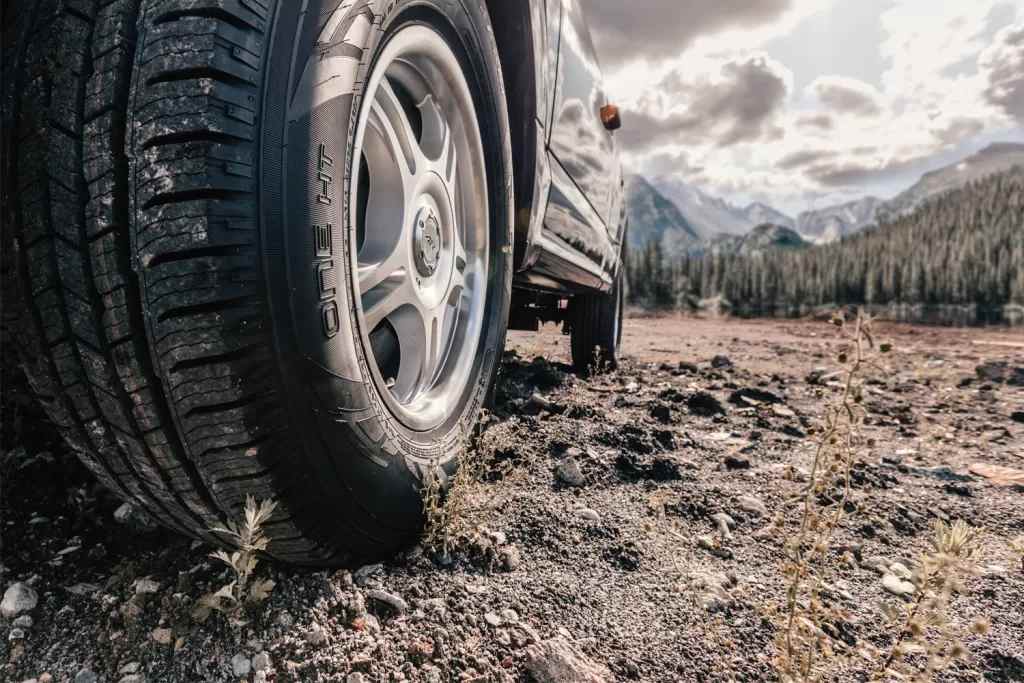
Let’s start the comparative analysis with traction and find out which one of the two tires is rated better in terms of year-round surefootedness on highways and streets.
The Yokohama Geolandar H/T4 is rated a great 8.5 SimpleScore for its solid traction performance year-round. This tire is tuned for increased grip in dry, wet, and light winter conditions, thanks to its optimized tread pattern that features large center blocks with dual lug grooves. The triple 3D siping helps the tire maintain extra grip in wet and mild snowy conditions, while the wide circumferential grooves force water away from the contact patch to provide solid hydroplaning resistance.
The Nokian One H/T is rated an impressive 8.6 SimpleScore in the traction area, assuring superior grip in rain, shine, and snow. There are multiple sipes across the tread for increased grip in mild snowy and rainy conditions. Likewise, the tire’s rubber compound is also optimized for increased flexibility in varying temperatures to offer a confident year-round grip.
No doubt, both tires give each other tough competition to dominate in the traction area, but it is the Nokian tire that excels with a marginally higher rating.
ADVANTAGE: Nokian One H/T
Yokohama Geolandar H/T4 vs Nokian One H/T tires on handling
Let us now discuss the handling capabilities of both tires to determine which one offers better ride control, stability, sharper steering response, efficient braking, and confident cornering throughout the year.
The Geolandar H/T4 earns an 8.4 SimpleScore for its reliable handling performance, assuring great steering response, ride control, confident lane changes and cornering, and in-time braking. The outer shoulder blocks help in controlled cornering for maneuvering, and the triple 3D sipes lock together to prevent tread squirm and also boost braking performance in wet and mild snow weather.
The Nokian One H/T secures a superior 8.5 SimpleScore for its solid handling performance. This tire sports a symmetrical tread pattern, which features rigid ribs to offer better steering response. There are stone ejectors to prevent tread damage, and likewise, the high-strength aramid casing resists sidewall flex for responsive lane changes. Additionally, there are sipes across the pattern to improve braking performance in wet and slick conditions.
Very similar to what we saw in traction, it is again the Nokian tire that surpasses the Geolandar H/T4 by a small margin to be the leader.
ADVANTAGE: Nokian One H/T
Yokohama Geolandar H/T4 vs Nokian One H/T tires on longevity
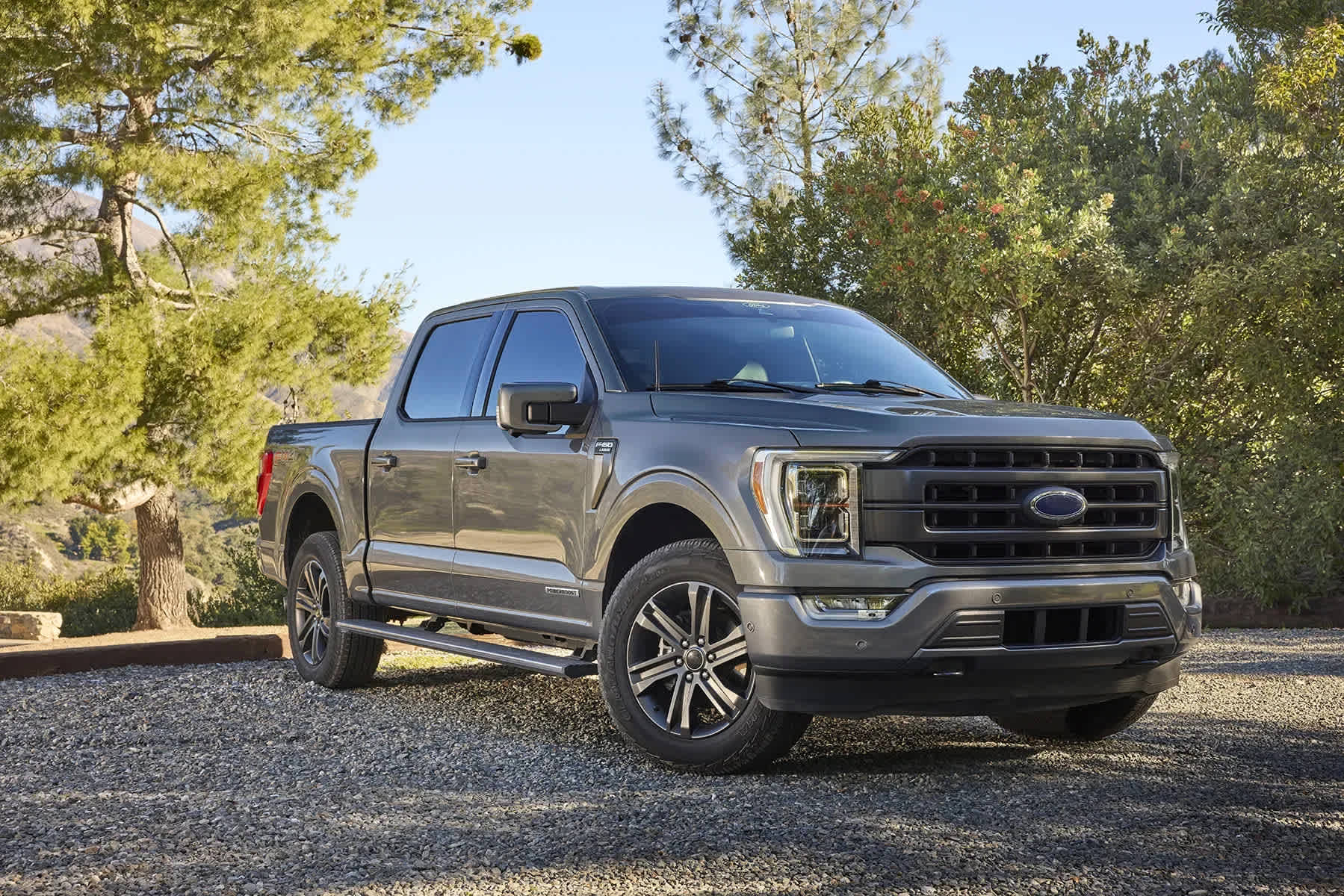
If you want to know which of the two tires offers better value, you can’t skip the longevity analysis. Here, we will learn which tire is better at resisting wear and covers more miles.
Commencing with the Geolandar H/T4, the tire is surprised with its near-perfect 9.9 SimpleScore, indicating that it is excellent in terms of durability and longevity. It also comes with an up to 70,000 mile limited manufacturer tread life warranty, further underlining the long-lasting ability. All thanks to the optimized footprint design and flat contact patch, the Geolandar H/T4 evenly distributes driving stresses for longer and even wear. Similarly, the high-rigidity blocks also control the wear rate for a lasting highway service.
Contrarily, the One H/T scores an impressive 9.0 rating in longevity and is also backed by an up to 70,000 mile limited manufacturer warranty, very much like its rival. The Aramid Sidewall fiber of the One H/T provides solid strength to withstand pothole impacts and resists the chances of blowouts. Similarly, the tread rubber formulation is tuned to resist wear for a class-leading driving experience. With a complete flip in longevity, the Geolandar H/T4 dominates with a higher rating than the One H/T.
ADVANTAGE: Yokohama Geolandar H/T4
When to use each
Both the Geolandar H/T4 and the One H/T are specially optimized for highway touring and year-round service in dry, wet, and light snow conditions. They are a great option for pickup trucks and SUVs that spend most of their time on streets, freeways, and light unpaved roads. They are also good at handling high towing payloads and vehicle weights and offer quieter rides. However, it is worth noting that they are not Three Peak Mountain Snowflake (3PMSF) certified, which means they should not be considered for use in moderate to severe winter weather, in temperatures below 45 degrees Fahrenheit.
Talking about rim sizes, both the Geolandar H/T4 and the One H/T are available in 15- to 22-inch rim sizes, assuring good compatibility with CUVs, SUVs, light trucks, and minivans on the market.
Which one should you choose?

Looking at the overall SimpleScore, the Geolandar H/T4 is a better option than the One H/T (8.9 vs 8.7). However, your selection of tires should be based on your driving needs and preferences, and whether you prioritize long-lasting service (Geolandar H/T4) or slightly better traction and handling performance (One H/T).
In terms of pricing, the Geolandar H/T4 is offered at a starting price of at least $150 per tire, which means a set of four is available at a price of at least $600. The One H/T, on the other hand, is available at a starting price of at least $147 per tire, which means a full set of four begins around $588.
Based on SimpleScore, you should prefer the Yokohama Geolandar H/T4 if you:
- Drive a vehicle like the Chevrolet Suburban, Nissan Titan, or GMC Yukon.
- Need a tire that’s long-lasting (9.9 vs 9.0).
- Need a tire that’s good for heavy-duty hauling and controls noise levels optimally with its tread pitch sequencing.
On the other hand, you should consider the Nokian One H/T if you:
- Drive a vehicle like the Toyota Tacoma, Ford F-150, or Honda CR-V.
- Need a tire that’s better in traction (8.6 vs 8.5).
- Need a tire that’s better in handling (8.5 vs 8.4).
- Need a tire that’s offered with bulletproof-grade Aramid Sidewall protection against potholes.
- Need a tire that features unique groove stone ejectors to protect your inner tire casing from damage.
Still not sure which tire to buy? Fortunately, SimpleTire is here to help, as our helpful agents are more than happy to assist you in selecting the right tire for your ride and budget.
You may also be interested in:
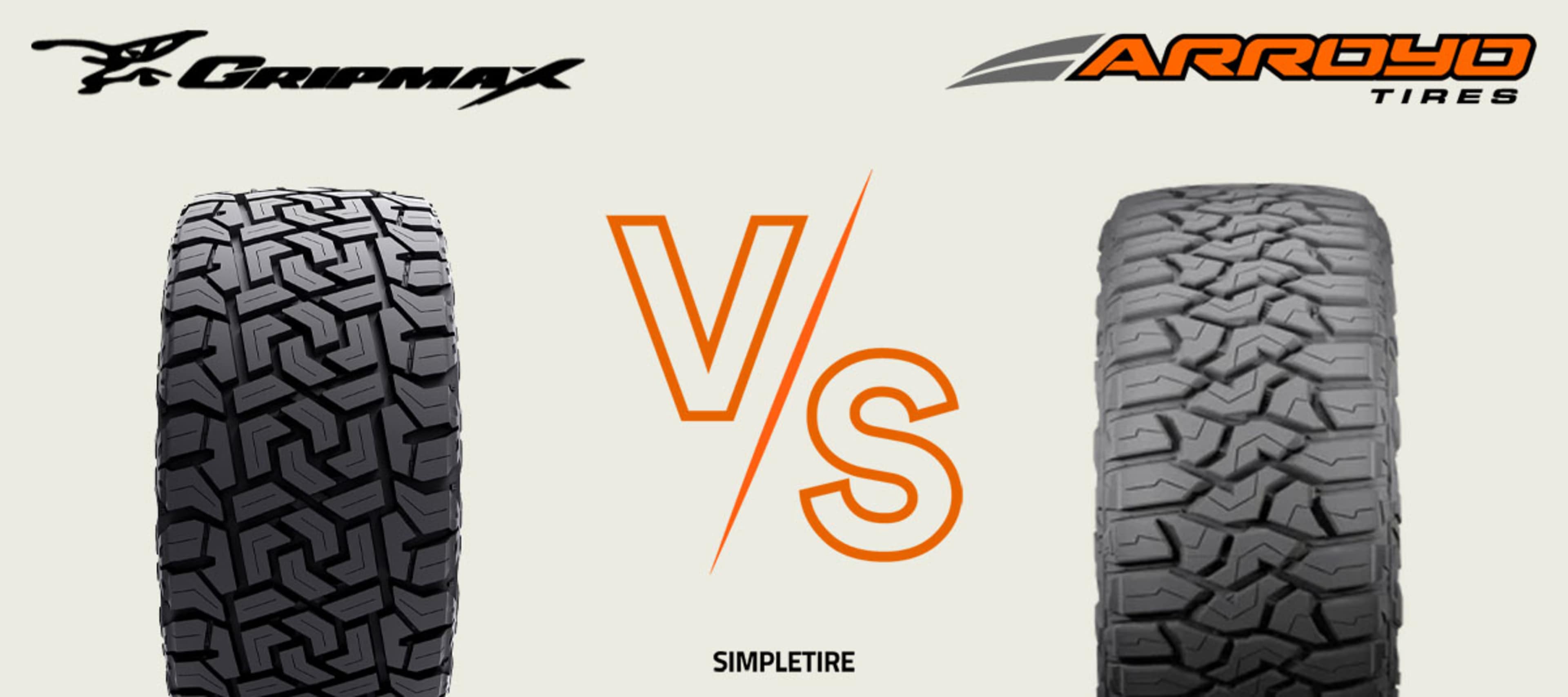
Gripmax MaxGrip X/T vs Arroyo Tamarock R/T tires
MaxGrip X/T and Tamarock R/T are two of the best tire lines on the market, but which one is best for you? Let’s break it down with SimpleScore.
Written by Irfan Khan
September 30, 2026
Continental TerrainContact H/T vs Falken Wildpeak H/T02 tires
TerrainContact H/T and Wildpeak H/T02 are two of the best tire lines on the market, but which one is best for you? Let’s break it down with SimpleScore.
Written by Irfan Khan
September 30, 2026
Falken Wildpeak A/T4W vs Firestone Destination A/T2 tires
Wildpeak A/T4W and Destination A/T2 are two of the best tire lines on the market, but which one is best for you? Let’s break it down with SimpleScore.
Written by Irfan Khan
September 30, 2026
Ready to find the perfect tires?
Search By