Compare
Free shipping
Best price guarantee
SimpleCrew exclusive savings
0% APR Financing
Tire replacement coverage
24/7 roadside assistance
Easy returns

With over a century of expertise in making high-quality tires, Yokohama has been one of the most popular brands from Japan. It offers tires featuring advanced engineering and uses high-quality materials for dependable performance. It offers tires for use on passenger cars, CUVs, SUVs, light trucks, industrial equipment, and farm applications. Yokohama tires assure balanced ride control, noise-free rides, and reliable traction.
Continental, on the other hand, is a premium German tire giant founded in 1871 and is among the leading innovators in the tire industry. The advanced rubber formulations that focus on safety make Continental a high-end tire manufacturer, and its range of tires is typically optimized for smooth rides, enhanced passenger comfort, strong braking performance, and extended service. In the US, Continental offers tires for use on passenger cars, light trucks, CUVs, SUVs, commercial vehicles, industrial equipment, and farm applications.
Coming from the two manufacturers, the Yokohama Geolandar H/T4 and the Continental TerrainContact H/T are two highly capable highway-terrain tires suitable for use on SUVs and light trucks. Both offer year-round service and ensure solid performance on highways and paved roads. While the Geolandar H/T4 is a tire that assures a smooth, quiet ride alongside robust payload strength, the TerrainContact H/T is the brand’s flagship all-season highway tire that delivers exceptional wet and dry traction, reliable heavy-duty durability, and a whisper-quiet driving experience.
If you need a reliable set of highway-terrain all-season tires, this Geolandar H/T4 vs TerrainContact H/T tires comparison will be a great source of knowledge to help you buy the better tire depending on your driving needs, preferences, and budget. Here, we will use our proprietary tire rating system, SimpleScore, to determine each tire’s overall ability, along with its capability in areas like traction, handling, and longevity on a scale of 0-10. Read on!
Last updated 6/08/2026 - Originally published 6/08/2026
Written by SimpleTire, Expertly reviewed by Brett Antosh
Yokohama Geolandar H/T4 tires
The Yokohama Geolandar H/T4 is offered as a durable choice for highway driving needs and can be used on CUVs, SUVs, and light trucks. Yokohama’s advanced construction technology provides solid strength and toughness, much-needed to combat heat and friction during heavy hauling. The LT sizes come with Endurocore Construction for added strength and increased load-carrying capacity, especially when used on work vans and utility trucks. Likewise, this tire is also tuned to perform under lateral stress and maintains quieter rides on the pavement.
Overall, the Geolandar H/T4 secures an excellent 8.9 SimpleScore because of its near-perfect wear resistance, solid year-round traction, and great handling.
Get Yokohama Geolandar H/T4 tires at the best deals for your vehicle here
Continental TerrainContact H/T tires
The Continental TerrainContact H/T can be used on SUVs, light trucks, and CUVs and offers drivers the confidence to drive in rain, shine, and mild winter weather. The patented TractionPlus Technology is there to offer excellent highway traction and heavy-duty structural durability. Likewise, innovations are made in the tread pattern for hydroplaning resistance and increased snow grip. Additionally, the noise-reducing tread variations provide a pleasant cabin experience by blocking out highway hum.
Overall, the TerrainContact H/T earns an outstanding 9.1 SimpleScore, thanks to its long-lasting tread life, excellent traction, and commanding handling performance.
Get Continental TerrainContact H/T tires at the best deals for your vehicle here
Yokohama Geolandar H/T4 vs Continental TerrainContact H/T tires on traction
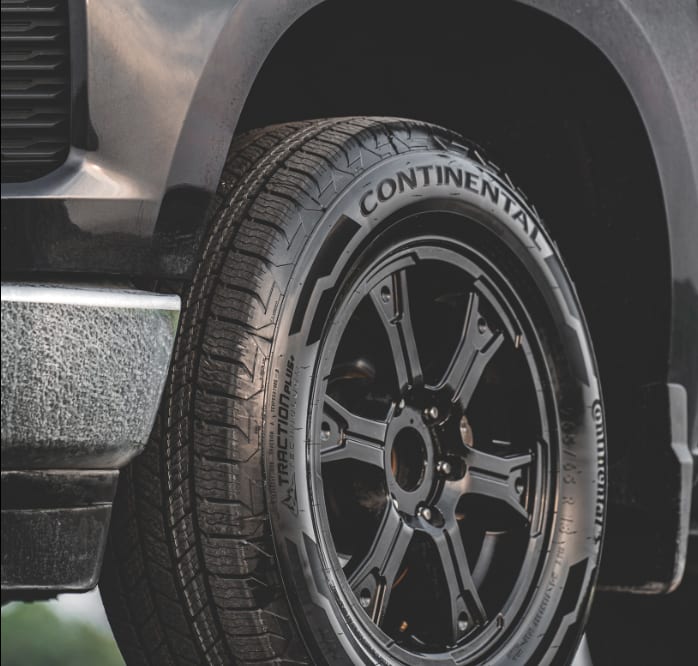
Let’s compare both tires on the traction front and find out which of the two is better in maintaining surefootedness.
The Geolandar H/T4 is rated a solid 8.5 SimpleScore for its reliable traction performance in dry, wet, and light winter conditions. The optimized tread pattern features large center blocks with dual lug grooves to boost surface grip. Likewise, the triple 3D siping provides increased biting ability on wet roads. There are wide circumferential grooves to drain water away for better wet grip and also contribute to hydroplaning resistance.
The Continental TerrainContact H/T achieves an outstanding 9.2 SimpleScore in traction, and assures excellent grip year-round. The full-depth interlocking sipes ensure exceptional traction throughout the lifespan of the tire, while the combined grooves assure hydroplaning resistance and promote better grip in mild winter. The optimized tread and compound reduce braking distance and also maintain superior grip in varying temperatures.
No doubt, both tires are capable of service year-round, but the Continental tire is very impressive with an excellent ability to maintain grip in all seasons.
ADVANTAGE: Continental TerrainContact H/T
Yokohama Geolandar H/T4 vs Continental TerrainContact H/T tires on handling
Moving on to the handling analysis, let’s find out the better tire in terms of ride control, stability, steering response, braking efficiency, and cornering throughout the year.
The Geolandar H/T4 earns an 8.4 SimpleScore for its solid handling performance on the highways. The tire features high-rigidity outer shoulder blocks to provide better control while maneuvering. There are triple 3D sipes that lock together under heavy vehicle pressure to prevent tread squirm and offer a grounded center feel. The wide and flat contact patch additionally improves linear tracking, especially when the tire is mounted on trailers.
On the other hand, the TerrainContact H/T gets a superior 8.9 SimpleScore for its better handling performance year-round. The broad shoulder blocks contribute to maximized contact with the road for confident cornering, whereas the stiff center blocks improve steering response. Thanks to the optimized pattern and compound, the tire runs glued to the surface for optimum stability under heavy payloads. For better braking efficiency year-round, the tire features detailed sipes, which allow the tire to stop right on time when it is needed.
In the handling area, it is the TerrainContact H/T that takes the lead again, beating the Yokohama tire by a small margin.
ADVANTAGE: Continental TerrainContact H/T
Yokohama Geolandar H/T4 vs Continental TerrainContact H/T tires on longevity
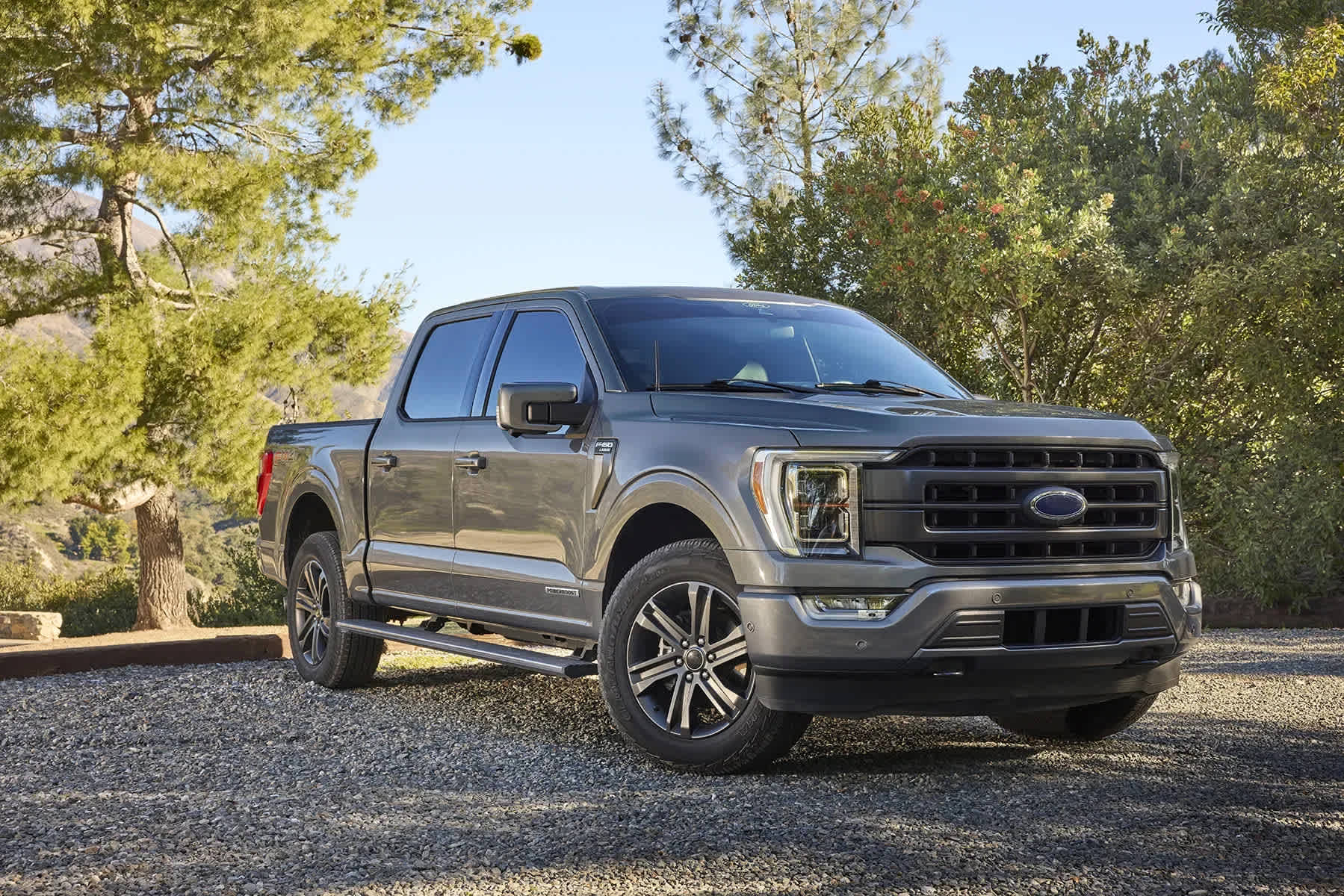
While analyzing the long-lasting ability, we will find out which of the two tires resists wear better and covers more miles.
Commencing with the Geolandar H/T4, the tire features a very strong and durable construction, which helps in achieving a near-perfect 9.9 SimpleScore. The backing of up to 70,000 mile limited manufacturer tread life warranty attests to the tire’s exceptional ability to resist wear and offer a long-lasting service. Additionally, its footprint is adequately flat to evenly distribute driving forces for an exceptional wear life.
Contrarily, the TerrainContact H/T earns an excellent 9.2 SimpleScore in the longevity area, assuring drivers that not only is it outstanding in traction and handling, but it also can resist wear. This tire is backed by a 70,000 mile limited manufacturer tread life warranty, and its wear-resistant rubber compound slows the wear rate for extended use. Likewise, the tire can withstand highway temperatures to promote longer service.
Both tires are outstanding in terms of mileage, but the surprise comes from the Yokohama tire for its nearly unmatched SimpleScore.
ADVANTAGE: Yokohama Geolandar H/T4
When to use each
Both the Geolandar H/T4 and the TerrainContact H/T are tuned for highway touring and offer solid year-round performance in dry, wet, and light winter conditions. They are both good for use on light trucks, CUVs, and SUVs, and can dominate highways as well as streets. You can use them to experience reliable handling performance under high towing payloads and vehicle weights. They both offer quieter rides and can assure year-round traction and grip. That being said, neither tire is Three Peak Mountain Snowflake (3PMSF) certified and cannot be considered for use in moderate to severe winter conditions in temperatures below 45 degrees Fahrenheit.
As far as rim sizes are concerned, the Geolandar H/T4 is available in 15- to 22-inch rim sizes, while the TerrainContact H/T is available in 16- to 22-inch rim options.
Which one should you choose?

Based on overall SimpleScores, the TerrainContact H/T is a better option than the Geolandar H/T4 (9.1 vs 8.9). However, your purchase decision should be based on whether you need a long-lasting tread life (Yokohama Tire) or solid grip and great steering response (Continental Tire).
Talking about prices, the Geolandar H/T4 is offered at a starting price of at least $150 per tire, which means a full set of four costs roughly at least $600. The TerrainContact H/T is available at a starting price of at least $225 per tire, which means a set of four will cost you at least $900.
Looking at SimpleScore, you should choose the Yokohama Geolandar H/T4 if you:
- Drive a vehicle like the Chevrolet Suburban, Nissan Titan, or GMC Yukon.
- Need a tire that’s better in longevity (9.9 vs 9.2).
- Need a tire that can handle heavy-duty hauling and tow heavy loads.
On the other hand, you should choose the Continental TerrainContact H/T if you:
- Drive a vehicle like the Toyota Tacoma, Ford F-150, or RAM 1500.
- Need a tire that’s better in traction (9.2 vs 8.5).
- Need a tire that’s better in handling (8.9 vs 8.4).
- Need a tire that’s quieter and offers better ride comfort on the highways.
Still not sure which tire to buy? Fortunately, SimpleTire is here to help, as our helpful agents are more than happy to assist you in selecting the right tire for your ride and budget.
You may also be interested in:
Gripmax MaxGrip X/T vs Arroyo Tamarock R/T tires
MaxGrip X/T and Tamarock R/T are two of the best tire lines on the market, but which one is best for you? Let’s break it down with SimpleScore.
Written by Irfan Khan
September 30, 2026
Continental TerrainContact H/T vs Falken Wildpeak H/T02 tires
TerrainContact H/T and Wildpeak H/T02 are two of the best tire lines on the market, but which one is best for you? Let’s break it down with SimpleScore.
Written by Irfan Khan
September 30, 2026
Falken Wildpeak A/T4W vs Firestone Destination A/T2 tires
Wildpeak A/T4W and Destination A/T2 are two of the best tire lines on the market, but which one is best for you? Let’s break it down with SimpleScore.
Written by Irfan Khan
September 30, 2026
Ready to find the perfect tires?
Search By