Tire News & Information
Free shipping
Best price guarantee
Special pricing
Financing with Resolve
Easy returns
Last updated 12/26/2025 - Originally published 9/23/2020
Written by SimpleTire, Expertly reviewed by Brett Antosh
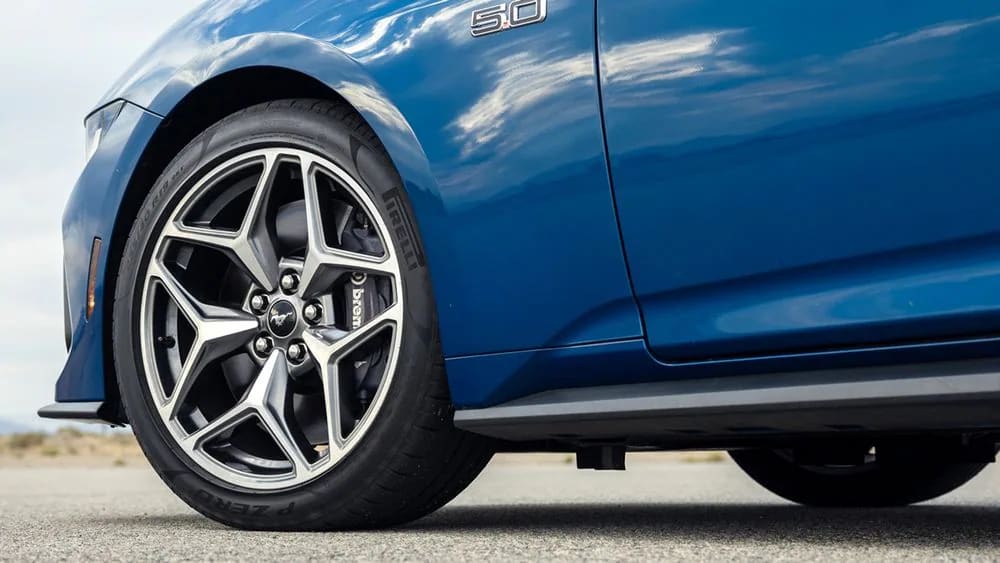
Summer tires represent a specialized category of tires engineered to deliver peak performance when temperatures climb above 45°F. These performance-focused tires utilize advanced rubber compounds and tread designs that excel in warm weather conditions—both dry and wet.
The distinction between summer tires and all-season alternatives becomes crucial as drivers seek to maximize their vehicle's capabilities during warmer months. Understanding what makes summer tires unique helps car owners determine whether this seasonal investment aligns with their driving needs and local climate conditions.
Making an informed tire choice impacts everything from daily commuting safety to weekend driving enjoyment. This comprehensive guide examines summer tire technology, performance characteristics, and practical considerations to help you decide if these warm-weather specialists belong on your vehicle.
What Are Summer Tires?
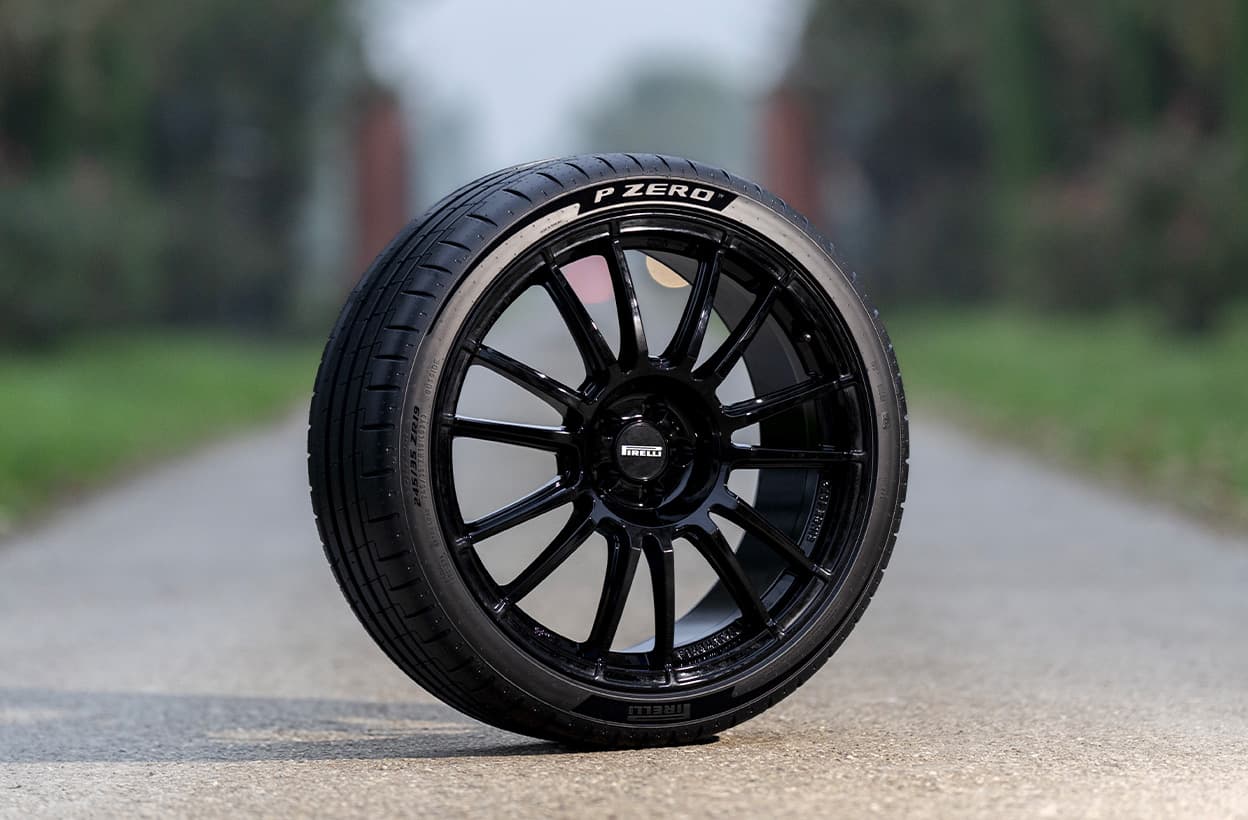
Summer tires—also known as performance tires or three-season tires—are precision-engineered for optimal grip and handling in warm weather conditions. These specialized tires feature unique rubber compounds formulated to remain soft and pliable when temperatures rise above 45°F, providing the flexibility needed for maximum road contact and superior traction.
The construction of summer tires differs significantly from their all-season counterparts. Their tread patterns typically feature:
- Shallow grooves with continuous ribs: This design maximizes the tire's contact patch with the road surface, enhancing grip during acceleration, cornering, and braking
- Wider tread blocks: Larger surface areas distribute vehicle weight more effectively while reducing tread squirm for improved steering response
- Asymmetrical or directional patterns: Many summer tires incorporate sophisticated tread designs that optimize water evacuation while maintaining dry-road performance
The rubber compound itself represents the core innovation of summer tire technology. Manufacturers blend specific polymers and silica compounds that excel in warm temperatures—materials that would become too soft in extreme heat if used in all-season tires. This specialized chemistry allows summer tires to maintain their shape and performance characteristics even on scorching pavement, preventing the excessive wear and heat buildup that could compromise safety.
Performance-oriented vehicles particularly benefit from summer tire technology. Sports cars, luxury sedans, and high-performance SUVs can fully utilize their engineering potential when equipped with tires designed to handle increased speeds, aggressive cornering forces, and rapid acceleration. The enhanced feedback through the steering wheel provides drivers with better road feel and confidence—critical factors for both spirited driving and emergency maneuvers.
How Do Summer Tires Work in Different Weather Conditions?
Summer Tires in Dry Conditions
Summer tires thrive on hot surfaces due to their innovative rubber compounds. This design maximizes grip, allowing vehicles to corner with agility and stability. The enhanced steering response, along with shorter stopping distances, offers drivers a secure and engaging driving experience. Additionally, improved traction supports quicker acceleration, making these tires ideal for performance-focused driving.
Summer Tires in Wet Weather
In wet conditions, summer tires shine with their advanced tread patterns. The grooves are engineered to efficiently disperse water, minimizing the risk of hydroplaning. This design, combined with the tire's ability to stay supple in warm, rainy weather, ensures optimal grip and control. Unlike all-season tires, summer models consistently deliver superior handling in summer rain.
Summer Tires in Cold Weather
When temperatures fall below 45°F, summer tires encounter challenges. The rubber compounds become less effective, leading to reduced grip. This makes them unsuitable for winter conditions, as they struggle on snow and ice. The risk of sliding increases, even on dry but cold roads, resulting in longer stopping distances and decreased safety.
What Are the Key Benefits of Summer Tires?
Summer tires provide distinct advantages that elevate driving performance. Their ability to deliver precise steering and control makes them ideal for confident driving. With specialized tread patterns, these tires enhance vehicle maneuverability, offering drivers a responsive and engaging experience on the road.
A key benefit of summer tires is their proficiency in delivering impressive stopping power. Designed to perform in both dry and wet conditions, they ensure quick and reliable braking. This feature enhances safety, particularly in situations requiring sudden stops, providing peace of mind for drivers.
Fuel efficiency is another advantage of summer tires. Their construction minimizes rolling resistance, contributing to better mileage. This efficiency, along with their high-performance attributes, allows sports cars and performance vehicles to operate optimally, offering drivers an exciting and efficient ride.
Additionally, summer tires are crafted for durability in warm climates. Their construction withstands high temperatures, ensuring longevity and consistent performance. This resilience prevents heat-related tire damage, making summer tires a dependable choice throughout the hotter months.
Summer Tires vs All-Season Tires: What's the Difference?
Summer tires and all-season tires serve different purposes, each tailored to specific driving environments. Summer tires are designed for optimal grip and maneuverability in hot weather, making them perfect for drivers who prioritize dynamic handling and sharp responsiveness. Their specialized tread patterns and compounds enhance performance on dry and wet roads during warmer months.
All-season tires, on the other hand, offer versatility across various weather conditions. They are built to perform adequately in both warm and mild winter climates, providing a balanced approach for drivers who encounter a mix of seasons. While they may lack the precision and grip of summer tires in peak summer conditions, they offer convenience and durability for those who prefer a single set of tires year-round.
Performance and Longevity
Summer tires provide improved braking performance, enhancing safety with their ability to stop more effectively in warm conditions. They typically require replacement at a shallower tread depth to maintain their effectiveness against hydroplaning. In contrast, all-season tires use more robust rubber compounds that extend their lifespan, making them a cost-effective option for drivers prioritizing longevity. However, this durability comes at the expense of the sharper handling found in summer tires, particularly in performance-oriented vehicles.
Choosing the Right Tire
The choice between summer and all-season tires depends on driving conditions and personal preferences. For those in consistently warm regions, summer tires deliver unmatched performance, optimizing the driving experience with superior traction and control. In areas with fluctuating weather, all-season tires provide a practical solution, capable of handling both dry and mild winter conditions effectively. Understanding these differences helps drivers select tires that best suit their needs, ensuring comfort and safety on the road.
Who Should Consider Summer Tires?
Summer tires are perfect for those living in regions where temperatures stay consistently warm. These tires are designed to deliver optimal performance in climates that don't experience cold weather, ensuring a smooth and responsive drive during the hotter months.
Enthusiasts and Performance Seekers
For those passionate about driving performance cars, summer tires offer enhanced grip and agility. Tailored for sports cars and high-performance vehicles, they provide the precision and control needed for dynamic driving on dry roads.
Safety and Efficiency Advocates
Drivers prioritizing safety will appreciate the effective braking capabilities of summer tires, especially in warm conditions. They offer reliable traction, contributing to safer driving experiences. Additionally, their design reduces energy loss, helping drivers achieve greater fuel economy during the summer.
Urban and Seasonal Drivers
Urban drivers facing frequent rain can benefit from the excellent water dispersion capabilities of summer tires. These tires are structured to handle wet roads efficiently, minimizing risks associated with heavy rain. For those open to switching tires seasonally, summer tires offer an ideal solution for maximizing performance and safety in warm weather.
When Should You Use Summer Tires?
Summer tires deliver peak performance in climates where temperatures regularly rise above 45°F. This ensures that the tires' specialized materials work effectively, providing the grip and control needed for optimal driving experiences. As the mercury climbs, summer tires reveal their true potential, enhancing both safety and enjoyment on the road.
Seasonal Transition
Switching to summer tires typically occurs as winter gives way to milder weather, often between early spring and late spring. This timing aligns with increasing temperatures, enabling drivers to benefit from the superior handling characteristics of summer tires. As roads warm, these tires offer enhanced traction, making each journey smoother and more responsive.
Duration of Use
Ideal for use throughout the warmer months, summer tires excel from the onset of spring until the early days of autumn. They are engineered to tackle the challenges of these seasons, from dry spells to wet conditions. However, it’s crucial to replace them as temperatures drop, ensuring safety as winter approaches.
Considerations for Warm Climates
In regions blessed with mild temperatures year-round, summer tires can remain a constant choice. These climates allow drivers to leverage the efficiency and performance of summer tires without the need for seasonal changes. This consistent use maximizes the tires’ lifespan, offering reliability and value throughout their service.
How to Choose the Right Summer Tires for Your Vehicle
Identifying the correct summer tires for your vehicle begins with understanding its specifications. Reference your vehicle’s manual to confirm the appropriate tire size, ensuring a perfect fit and optimal performance.
Tailoring to Your Driving Style
Consider how you drive when selecting tires. Enthusiasts who enjoy dynamic driving should lean towards options that provide enhanced grip and precision. These tires support high-speed driving and agile handling, delivering an exhilarating driving experience. For more routine driving, look for tires providing a balance of performance across various conditions.
Assessing Tire Features
Focus on tires that perform well in diverse weather situations. Prioritize those with reliable wet and dry performance ratings to maintain safety. If tire longevity is crucial, consider treadwear ratings—higher ratings often mean extended durability. Ensure the tire's speed rating aligns with your vehicle’s capabilities to preserve both safety and functionality.
Prioritizing Comfort and Quietness
Evaluate how noise levels fit into your driving preferences. Some tires are designed to reduce road noise, offering a more serene driving experience. If comfort is important, choose options engineered to minimize noise while still delivering the performance characteristics you need. Balancing these aspects will help you select summer tires that suit your specific driving needs and enhance overall comfort.
Making the Decision: Do You Really Need Summer Tires?
Deciding whether summer tires are the right choice involves evaluating your typical driving conditions and needs. If you live in an area with consistently warm weather, summer tires offer enhanced performance and reliability. Their design excels in these conditions, providing drivers with superior traction and handling.
For those driving high-performance vehicles, summer tires significantly enhance driving dynamics. These tires are engineered to maximize the capabilities of sports and luxury cars, offering precise control and responsiveness. If you already switch to winter tires during colder months, incorporating summer tires ensures you’re optimizing performance throughout the year.
Safety-conscious drivers will appreciate the dependable braking and cornering abilities of summer tires. These features contribute to a more secure driving experience in warm conditions. Additionally, the efficient design of summer tires can lead to reduced fuel consumption, offering potential savings over time in suitable climates.
However, if your region experiences varied weather, with both warm and cold conditions, consider the versatility of all-season tires. These tires provide a balanced solution, accommodating a range of temperatures without the need for seasonal changes.
Summer tires represent a valuable investment for drivers seeking maximum performance, safety, and efficiency during warm weather months. By understanding their unique characteristics and benefits, you can make an informed decision that aligns with your driving needs and local climate conditions. Ready to experience the difference summer tires can make? Shop for tires online and find the best deals with us today, where we make finding your perfect summer tires simple and affordable.
Ready to find the perfect tires?
Search By