Tire Buying Guides
Understanding Tire Size: How to Read Sidewall Numbers

Free shipping
Best price guarantee
SimpleCrew exclusive savings
0% financing options
Tire replacement coverage
24/7 roadside assistance
Easy returns
Tire Buying Guides
A tire's sidewall contains a standardized code (e.g., P225/65R17 91S) that defines its physical dimensions, construction, and performance limits. Decoding this information is essential for ensuring safety, maximizing fuel economy, and maintaining proper vehicle handling.
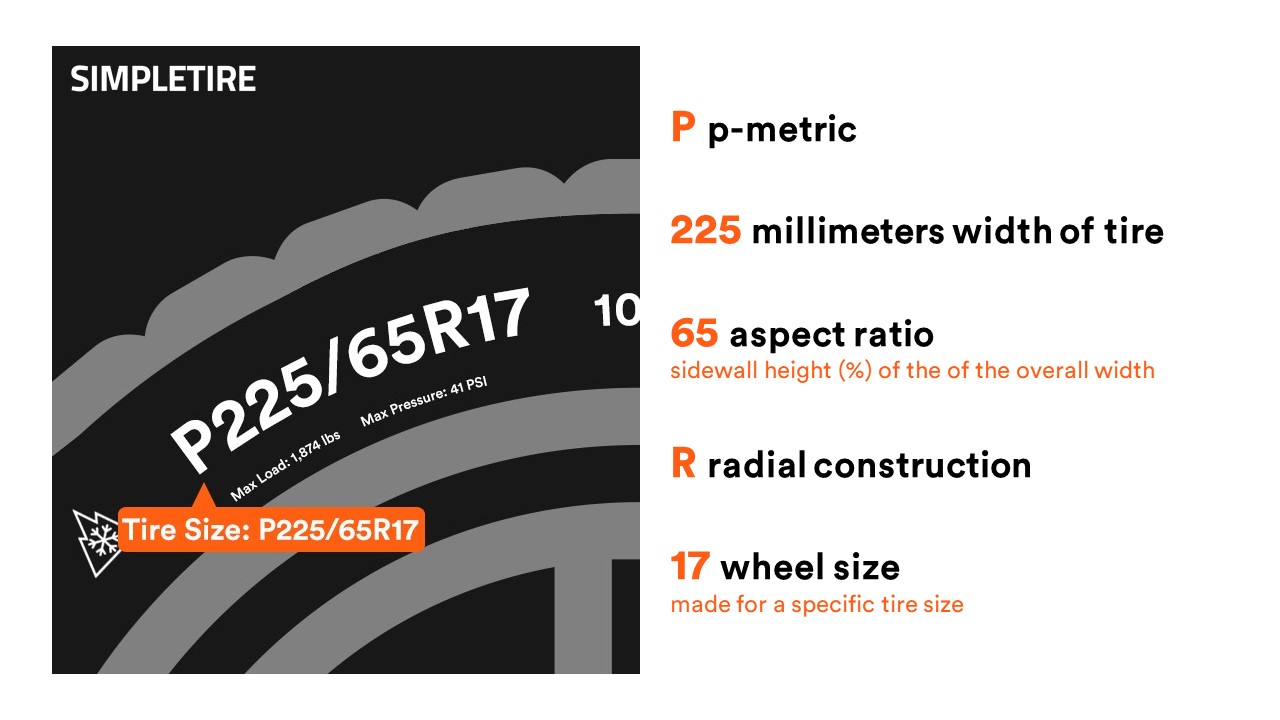
Using P225/65R17 as an example, here is what each piece means:
Measured in millimeters, width dictates the tire's "footprint."
This number determines the thickness of the sidewall.
There are two tire construction types:
The numbers and letters following the size (e.g., 91S) define the tire’s capabilities.
Load index is the numerical code (e.g., 91) that corresponds to a weight chart. This number defines how much weight an individual tire can safely hold.
The letter (e.g., S, H, V, Y) indicates the maximum speed the tire can sustain.
Higher speed ratings often use softer rubber compounds for better grip, but they may wear out faster.
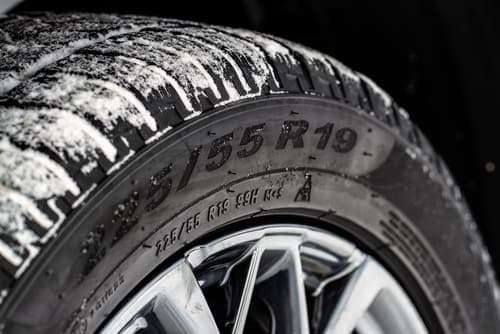
By understanding tire size numbers, you can make informed decisions when selecting tires that match your vehicle's specifications and driving needs. At SimpleTire, we are dedicated to helping you find the ideal tires for your vehicle, offering a diverse selection from top brands and expert guidance throughout the process. Shop for tires online with us and experience the convenience of finding the best deals from the comfort of your home.
Search By