Tire Buying Guides
Do electric vehicles need different tires?
Free shipping
Best price guarantee
SimpleCrew exclusive savings
0% APR Financing
Tire replacement coverage
24/7 roadside assistance
Easy returns
Tire Buying Guides
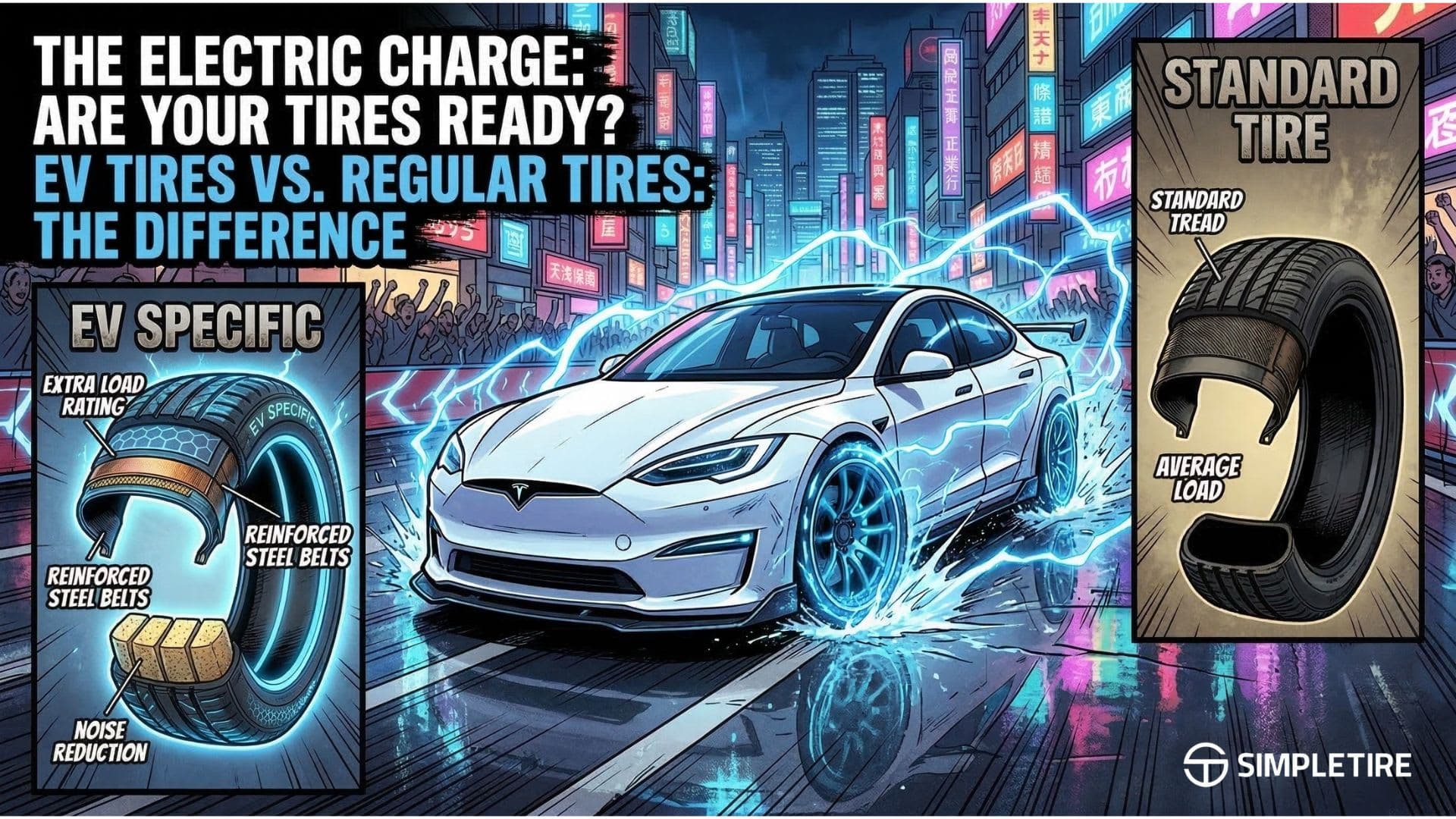
Wonderinf if EVs can use regular tires? This guide explains the essential EV tires vs regular tire differences to help drivers maximize the performance and efficiency of their electric vehicles. Unlike internal combustion cars, electric vehicles require EV-specific tires engineered with low rolling resistance tires and higher load capacities to manage heavy battery packs and instant motor torque. Here, you will learn how to select the best tires for EV models to extend your driving range, reduce cabin noise, and ensure driving safety.
When comparing EV tires vs regular tires, the most significant difference lies in reinforced construction. EV-specific tires feature strengthened sidewalls and robust steel belts designed to support 20-30% more weight than internal combustion vehicles.
Electric motors deliver 100% of their torque instantaneously. This requires tires with exceptional grip to prevent wheel spin. Additionally, because many EVs exceed 5,000 lbs, finding the correct load rating for EV tires is essential for maintaining safety margins and reducing braking distances.
Switching to an EV often comes with "sticker shock" during the first tire replacement. Here are the most common pain points reported by drivers:
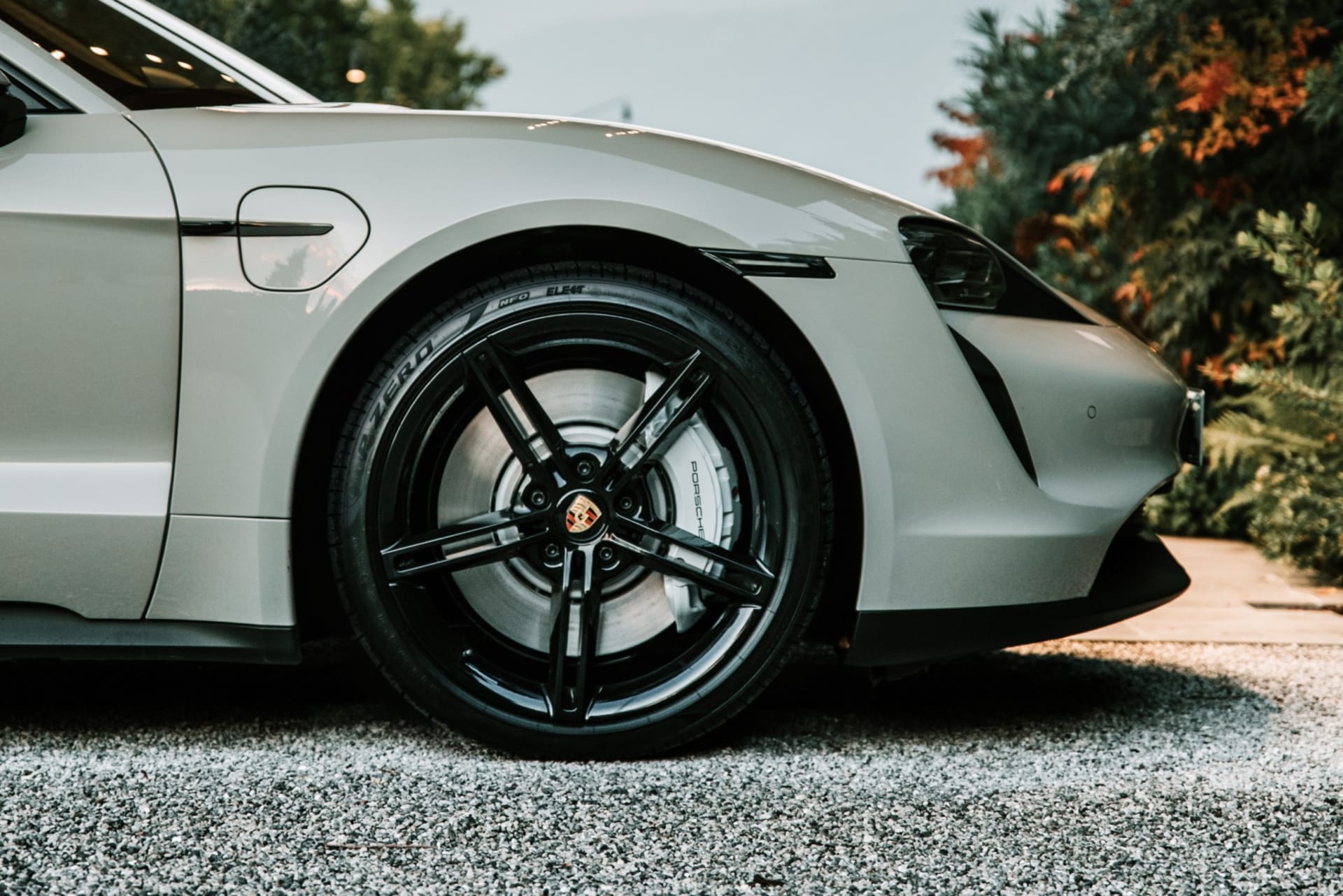
Batteries add significant mass, requiring tires with a high load index. This index reflects a tire's ability to bear weight safely when properly inflated. To ensure you are choosing the right capacity, you can learn more about loading limits at SimpleTire.
Unlike traditional engines, electric motors provide immediate power. EV-specific tires use specialized tread designs with unique groove angles to maximize traction during rapid acceleration, preventing the "slip" often seen when using standard tires on high-torque electric platforms.
Efficiency is the top priority for most owners, making this an essential electric vehicle tire guide topic. Low rolling resistance tires reduce the energy needed to keep the vehicle moving.
The added weight of an EV results in longer braking distances. Tires with enhanced grip are critical for managing this momentum. Always ensure your tires meet the manufacturer's recommended speed ratings to handle both the velocity and the thermal stress of heavy-load driving.
When looking for the best tires for EV use, you should categorize your choice based on your typical driving environment:
EV tires often face a shorter lifespan—typically 20% less than standard tires—due to the intense stress of weight and torque. To get the most out of your set, follow these maintenance best practices:
Selecting the right tires can transform your driving experience. When you're ready to upgrade, you can shop for tires online and find the best deals at SimpleTire to find the perfect match for your electric vehicle.
It is best to use EV-specific tires for EVs. While regular tires may fit your rims, they aren't designed for the unique weight and torque of an EV. Using regular tires often results in faster tread wear, increased cabin noise, and a 5-10% drop in battery range. Most importantly, you must ensure the load rating for EV tires matches your vehicle's heavy battery weight for safety.
EV tires wear out so much faster because EVs have higher weight and torque. EVs are roughly 30% heavier than gas cars, putting constant stress on the rubber. Additionally, electric motors deliver 100% of their power instantly, which causes "micro-abrasions" every time you accelerate from a stop.
Search By