Tire maintenance & safety
Dry Rot Tires: How to spot it & avoid dangerous and expensive tire problems
Free shipping
Best price guarantee
SimpleCrew exclusive savings
0% APR Financing
Tire replacement coverage
24/7 roadside assistance
Easy returns
Tire maintenance & safety

Tire safety is a critical aspect of vehicle maintenance that is often overlooked by many drivers. Neglecting the condition of your tires can lead to various issues, including reduced performance, increased fuel consumption, and even accidents.
One common problem that affects tire safety is dry rot, also known as sidewall weathering. Dry rot occurs when the rubber compounds in a tire break down due to exposure to certain environmental factors, leading to visible cracks and deterioration.
Understanding the causes, signs, and prevention of tire dry rot is essential for ensuring the longevity and safety of your vehicle's tires. By taking proactive steps to maintain your tires and address any issues promptly, you can avoid the risks associated with driving on damaged or compromised tires.
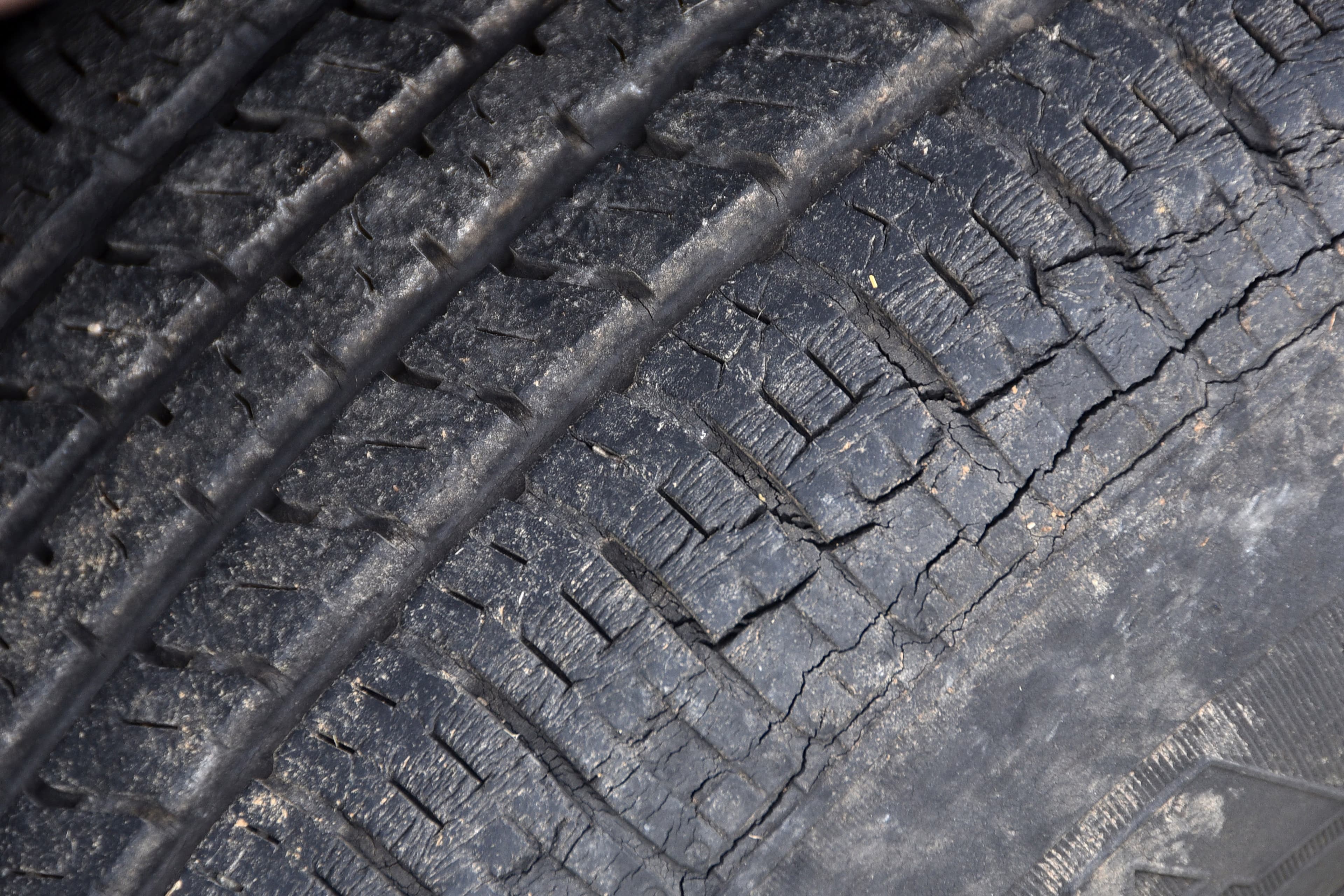
Dry rot, also known as sidewall weathering, is a type of damage that occurs to the exterior of a tire, causing cracks to form along the tread and sidewall. This deterioration is primarily caused by exposure to extreme weather conditions, heat, or harmful chemical substances. Overexposure to heat or sunlight can cause the tire rubber to become brittle, damaging the internal layers and leading to visible rot on the surface.
Tire dry rot is a common safety hazard that is often overlooked by vehicle owners. The cracks and damage caused by dry rot can compromise the structural integrity of the tire, increasing the risk of blowouts, air leaks, and poor handling. Regularly inspecting your tires for signs of dry rot and taking preventive measures to protect them from damaging elements is crucial for maintaining tire safety and performance.
Several factors can contribute to the development of tire dry rot:
Understanding these causes can help drivers take proactive steps to minimize the risk of tire dry rot and extend the life of their tires.
Regularly inspecting your tires for signs of dry rot is essential for maintaining their safety and performance. Here are some key indicators to look for:
If you notice any of these signs during your tire inspections, it is crucial to have your tires assessed by a professional to determine the extent of the damage and whether replacement is necessary. Catching dry rot early can help prevent more serious issues and ensure your vehicle's safety on the road.
Driving on tires with dry rot can pose significant risks to both the vehicle and its occupants:
To prioritize safety and minimize these risks, it is essential to replace tires that show signs of advanced dry rot promptly and to follow proper tire maintenance practices to prevent the development of dry rot in the first place.
Proactive tire maintenance is key to preventing dry rot and extending the life of your tires. Here are some effective strategies:
By implementing these preventive measures, you can significantly reduce the risk of tire dry rot and ensure that your tires remain in good condition for as long as possible, promoting both vehicle safety and performance.
Knowing when to replace tires affected by dry rot is crucial for maintaining vehicle safety. Here are some guidelines to help you make an informed decision:
Remember, driving on dry rotted tires can pose significant safety risks, so it is always better to err on the side of caution. If you have any doubts about the condition of your tires, it is best to replace them to ensure the safety of yourself, your passengers, and other road users.
While no tire is completely immune to dry rot, investing in high-quality tires and practicing proper tire maintenance can significantly extend their lifespan and performance. At SimpleTire, we offer a wide selection of top-tier tires designed to resist weathering and provide lasting durability. Shop for tires online with us today and experience the convenience and affordability of our expert tire solutions.
There are several reasons that can cause dry rot in your tires. For example, exposure to toxic chemicals, UV rays, extreme hot or cold temperatures, ozone, and so on can compromise tire compound integrity. Improper tire care, driving underinflated tires, and long periods of disuse can also cause dry rot.
Dry rot on tires is dangerous because it can cause blowout and other types of damage. If you can see the sidewall and tread edges developing cracks or the rubber peeling off, your tire might be infected with dry rot severely and require you to change the tire.
Search By